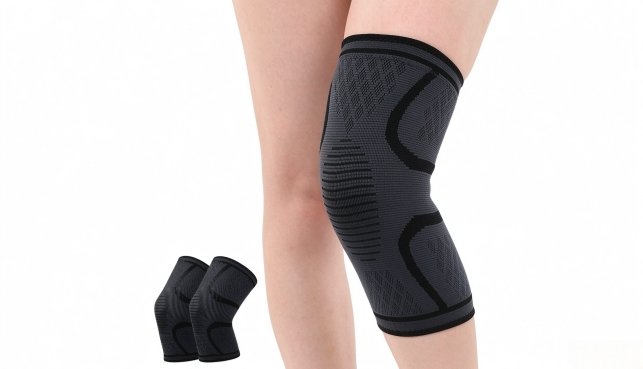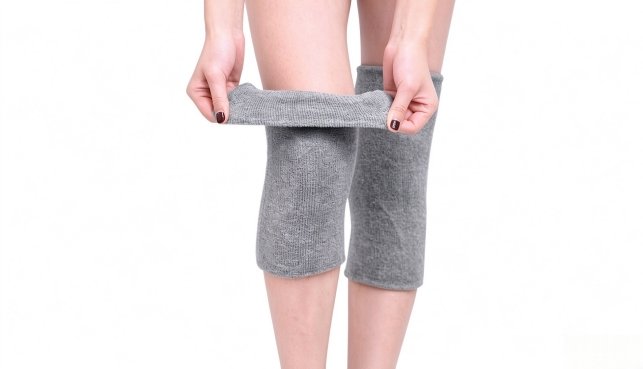
Flyknit Sports Knee Brace Manufacturer: 6 Buying Checks
Choosing a Flyknit sports knee brace manufacturer decides whether your product line ships on time or ends up in rework. A knitted knee brace looks simple in a sample photo, but quality depends on decisions buyers cannot see: stitch density, yarn blend, size grading, and how closely bulk production matches the approved sample. Run these six checks before you order.
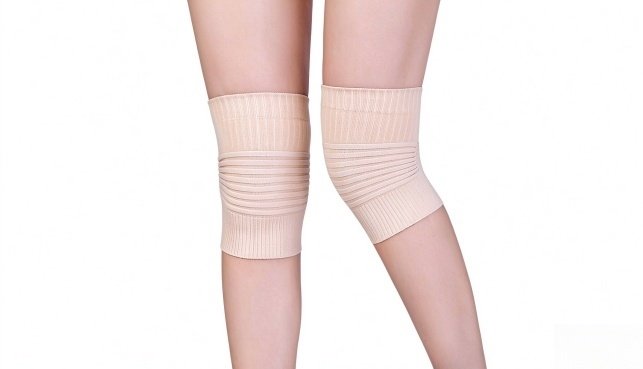
Six checks before you commit.
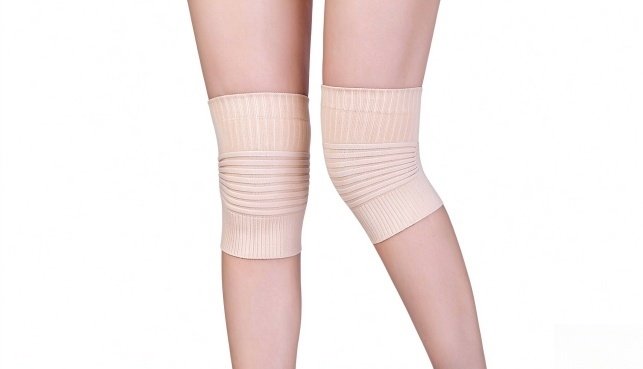
1. In-house knitting capability
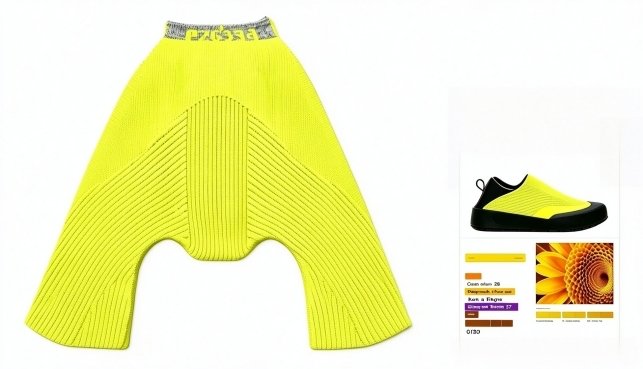
Ask which operations happen inside the factory. A genuine manufacturer programs and runs flat-knitting machines on site, and can explain how compression zones are set above and below the patella. If the “factory” only buys knitted sleeves and attaches logos, nobody can correct fit or tension issues later.
2. Yarn sourcing and traceability
Serious suppliers discuss yarn in specifications: denier, spandex content, moisture-wicking treatment, recycled share. Request the yarn spec for a current production run, not a brochure. A Flyknit sports knee brace lives on fit, and small yarn changes shift that fit across a batch.
3. Sizing consistency across the range
Knee braces live or die on sizing. Ask how the factory grades its range and whether it holds tolerance across S through XXL. Consistent grading is the difference between a product that earns good reviews and one that generates returns from customers who fall between sizes.
4. A written quality-control process
Look for QC you can audit: incoming yarn inspection, in-line checks during knitting, and final inspection against an agreed AQL standard. The checklist should cover stitch density, stretch recovery after wear cycles, sizing accuracy, bonding strength, and colorfastness to sweat and washing.
5. Capacity planning and lead times
Ask how capacity is reserved, what happens if a spandex or specialty yarn shipment slips, and how peak season is handled. A reliable manufacturer shares a schedule with named milestones and flags delays early instead of going quiet until the shipping date.
6. Clear OEM/ODM terms
OEM means you supply the design; ODM means the factory develops it with you. Either way, engineering feedback should arrive in writing: what compression levels are achievable, where cost changes, and which features carry risk. If every question is answered with “no problem,” you are talking to a salesperson, not an engineer.
Work with us
We produce knitted sports supports for brands and OEM buyers, from yarn selection and zone programming through final inspection and export packing. Send a tech pack or reference sample, and we will reply with a feasibility review, a sampling plan, and a transparent quotation.
Our materials and finished products can be verified against international standards, including OEKO-TEX® certification for textile safety—giving your end customers confidence in every item.