Knit Not Cut: Why Flyknit Bags Win Over Sustainability-Minded Shoppers
The sustainable flyknit bag answers a waste problem that hides where nobody looks: the offcuts. Traditional cut-and-sew production stamps bag panels from rolls of fabric, and every curve and notch leaves scraps that rarely find a second life. A sustainable flyknit bag takes a different route — knitting the body to shape, so yarn goes only where the design needs it.
Less waste by design
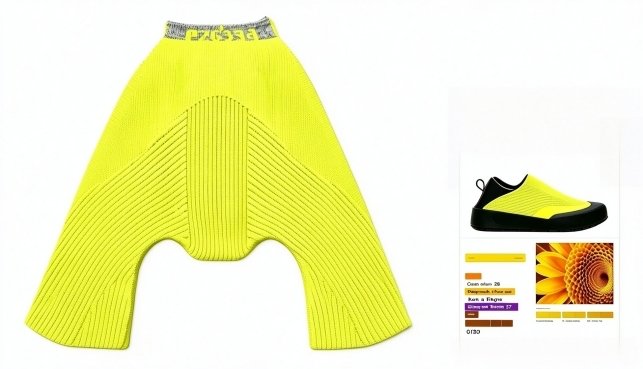
Knit-to-shape manufacturing is not new, but its numbers still surprise. In performance footwear, engineered knit uppers have been reported to cut material waste by roughly 60 percent compared with conventional cut-and-sew uppers, because the machine lays yarn only where the pattern calls for it. Bag production works on the same principle: a Flyknit tote body is grown, not carved, which means fewer offcuts, fewer bonded layers, and less adhesive.
Lighter bags, lighter footprint
Weight matters beyond comfort. A typical sustainable flyknit bag weighs far less than a leather equivalent, and small weight savings compound across a supply chain — lighter cartons, lower fuel burn, smaller shipping emissions per unit. For brands tracking sustainability metrics, that arithmetic is quietly becoming part of the sales pitch.
Durability is the other half
A low-impact product is one you keep. High-tenacity polyester and nylon yarns hold their color and resist pilling, and knitted construction bounces back from crushes that would crease leather or crack coated canvas. Add simple care — spot-clean, air-dry, avoid overloading — and a knitted tote can serve for years of commuting and travel, shrinking its footprint with every use.
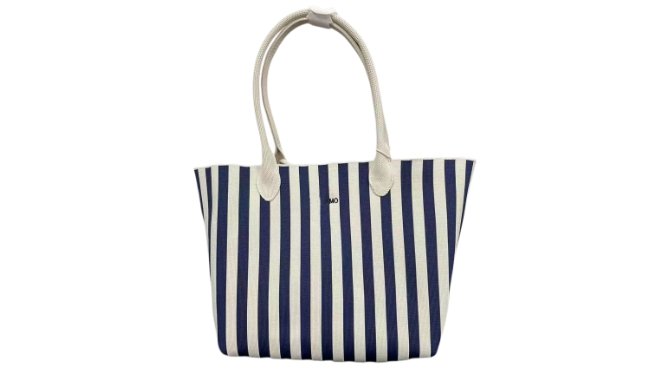
Color-blocked knits hold their color through years of daily use.
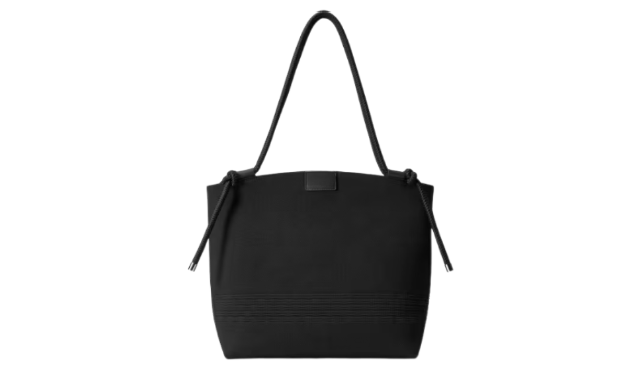
Dense knitted construction bounces back from crushes that would crease leather.
Not every knit bag qualifies
Shoppers should still read the details. Some budget “knitted” bags cut corners: loose tension that sags, mixed fibers that resist recycling, or handles that fail long before the body does. The stronger signals of a genuinely sustainable flyknit bag are even stitch density, reinforced handle anchoring, and yarns with recycled content or recognized certifications. Buyers who check those details get the genuine low-waste story, not just the look.
The takeaway
The sustainable flyknit bag will not solve fashion’s material problems on its own, but it shows how a change in construction — not just in materials — can reduce waste, weight, and wear at once. For shoppers who want one bag that feels light on the shoulder and lighter on the planet, knit-to-shape totes have earned the attention they are getting this season.
Our materials and finished products can be verified against international standards, including OEKO-TEX® certification for textile safety—giving your end customers confidence in every item.