What Is a Fly-Knit Upper? Construction Explained Simply
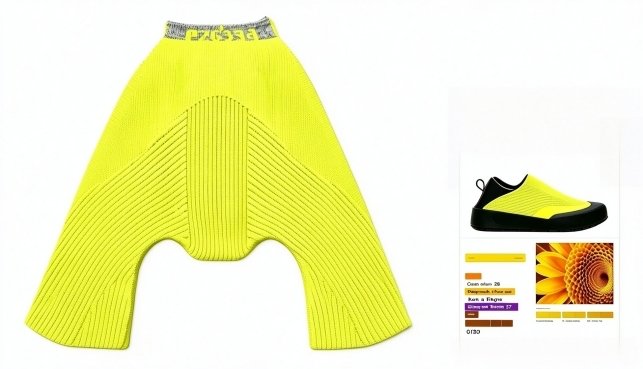
A Fly-knit upper is the knitted top section of a shoe, produced as a single engineered piece rather than cut from separate panels of fabric and stitched together. The knitting machine varies stitch density and yarn type across the surface, so one upper can be firm at the heel, open at the toe, and elastic across the instep.
How the construction works
Traditional shoe uppers are assembled: leather or mesh panels are cut, layered, and sewn, then reinforced with separate overlays. A Fly-knit upper replaces that stack with one continuous knitted surface. The machine is programmed zone by zone, so yarn placement is deliberate rather than uniform.
Three variables define the result. Stitch density controls breathability and support — tighter stitches hold shape, looser ones vent heat. Yarn blend decides stretch and durability; recycled polyester is common, often combined with thermoplastic yarn that stiffens after heat setting. Structure comes from knitted-in reinforcements or a bonded heel counter, which stops the upper from collapsing without adding heavy overlays.
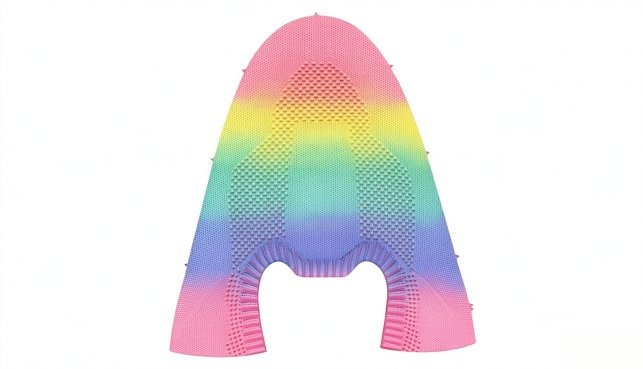
Knit-to-shape construction on the left; a cut-and-sew mesh upper with seams on the right.
Fly-knit upper versus mesh
The two are often confused. Mesh is a woven or knitted fabric that is cut to shape and sewn onto a shoe, leaving seams and edges. A Fly-knit upper is knitted to the shape of the shoe in one piece, so seams largely disappear. That difference shows up in comfort — fewer seams mean fewer friction points — and in waste, since knit-to-shape production creates minimal offcuts.
Why it matters to shoppers
For the wearer, a Fly-knit upper delivers a sock-like fit that adapts to the foot, strong breathability in warm weather, and quick drying after rain. It is light on the foot, which matters over long distances and long days.
The trade-offs are honest: a knitted upper offers less protection against heavy impact than rigid leather, and it demands sensible care. Spot-clean rather than machine-wash, air-dry away from heat, and avoid over-tightening laces against thin knit zones.
Where you will see it
Fly-knit uppers now appear across running shoes, lifestyle sneakers, and casual slip-ons, and the same knitting logic extends to bags and accessories. Understanding the construction helps shoppers read a spec sheet — and helps buyers ask suppliers the right questions about density, yarn, and reinforcement.
We are committed to sustainability and use GRS-certified recycled yarns across our production lines.