Fly-Knit Upper Trends: Why Knitted Uppers Are Back
The Fly-knit upper is having another moment. A decade after engineered knitting first replaced stitched panels on performance footwear, demand for seamless knitted uppers is climbing again — this time across running, lifestyle, and even casual dress categories.
What changed the second time around
The first wave of Fly-knit upper production was about weight. Knitted uppers removed overlapping layers and stitched seams, cutting grams and eliminating friction points. That message resonated with runners, but the technique had limits: early knits stretched unpredictably, held almost no structure, and struggled to hold a shape in wet conditions.
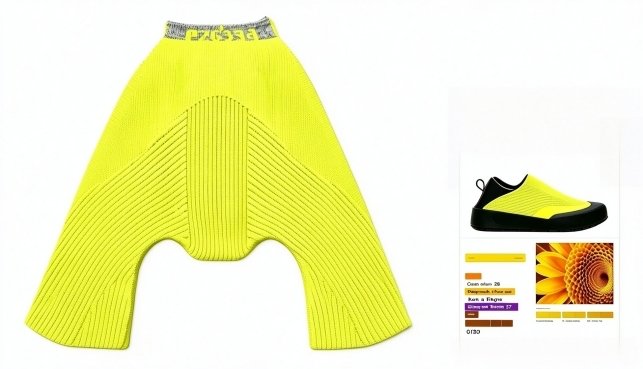
The current generation answers those complaints. Machine programming now places zones of different density inside one knitted upper — firm around the heel collar, open across the toe box, elastic where the foot flexes. Yarn blends combine recycled polyester with thermoplastic yarns that lock the shape after heat setting, so a Fly-knit upper can be both breathable and stable.
Where demand is coming from
Three categories are driving orders. Performance running remains the core, where a Fly-knit upper delivers moisture management and a sock-like fit. Lifestyle sneakers have become the fastest-growing segment, using knitted uppers to replace leather panels and hit sustainability targets. And a smaller but interesting pocket — casual and hybrid footwear — is adopting knitted uppers for warm-weather comfort.
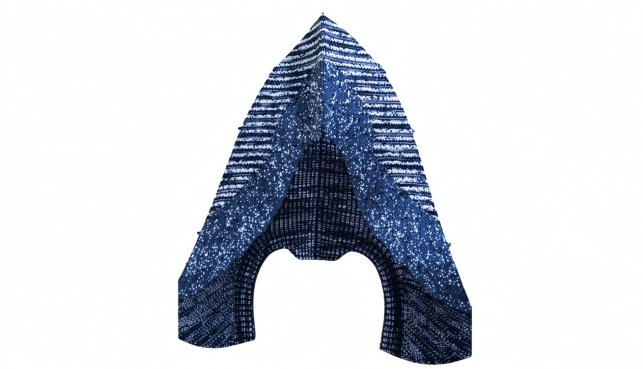
A zone-programmed Fly-knit upper: firm at the collar, open across the toe, elastic at the instep.
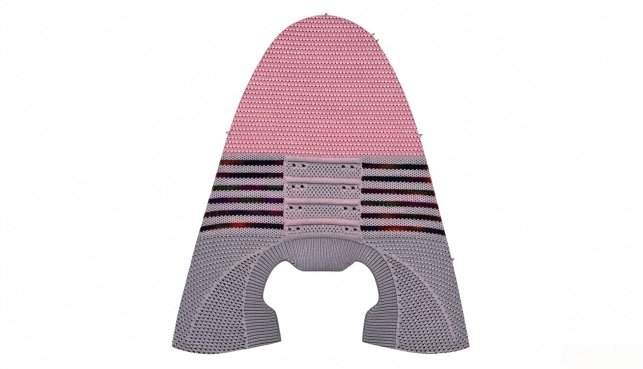
Buyers in warmer markets show particular interest, since knitted construction breathes better than coated leather and dries faster after rain.
Why manufacturers are investing again
From the factory side, the Fly-knit upper is attractive for the same reason it appeals to brands: material efficiency. Knitting to shape uses yarn only where the pattern calls for it, which reduces offcuts compared with cutting panels from rolls. Computerized flat-knitting machines are also faster to retool than cutting dies, making small color runs and seasonal drops more economical.
The outlook
Expect the Fly-knit upper to keep spreading sideways rather than exploding in one direction. The technology is no longer a novelty — it is a mature option that designers now specify for comfort, breathability, and lower material waste. For brands planning next season, the question is no longer whether to use a knitted upper, but which zones to program and which yarn blend fits the price point.
Our materials and finished products can be verified against international standards, including OEKO-TEX® certification for textile safety—giving your end customers confidence in every item.